Dekton countertops
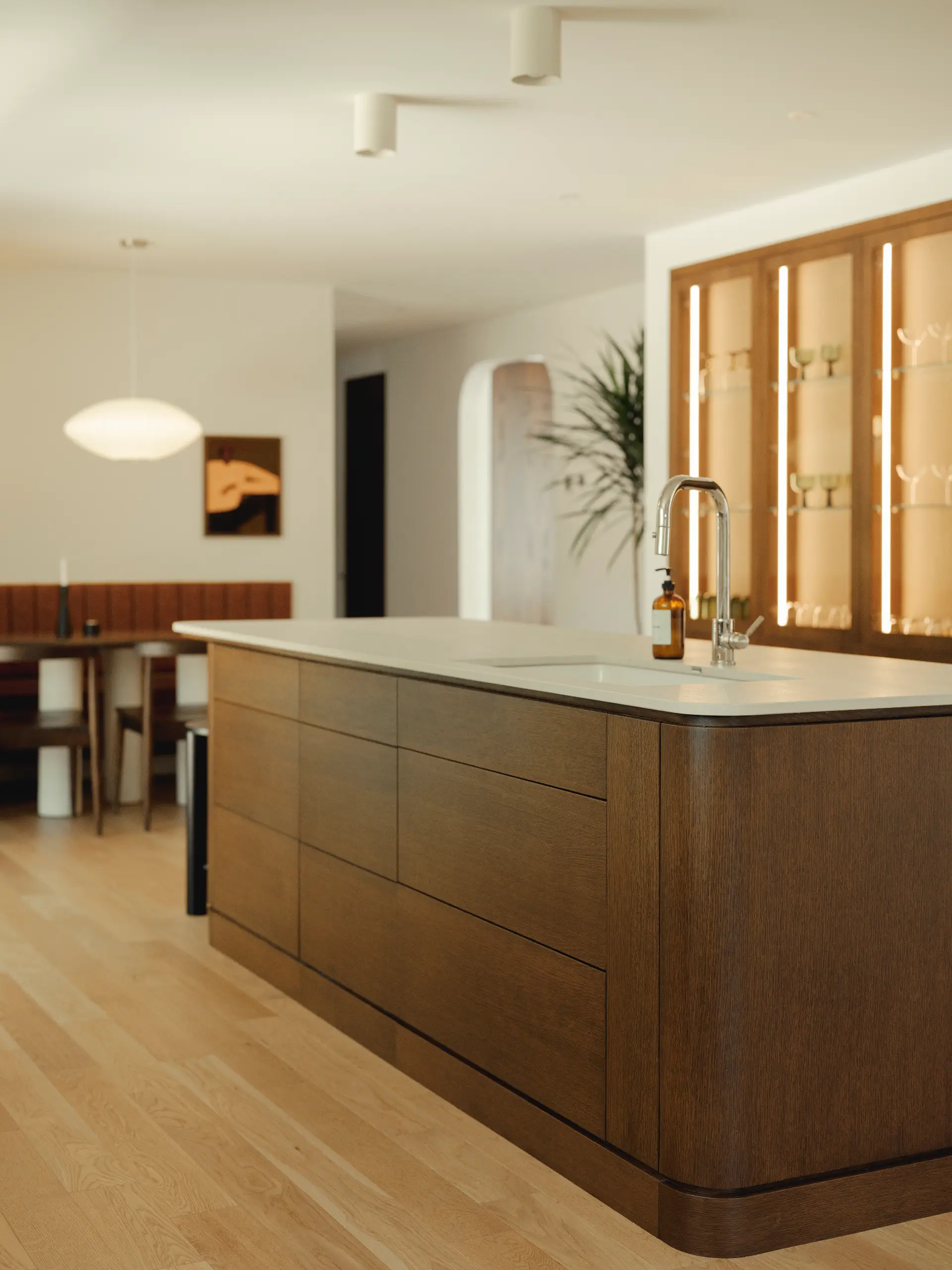
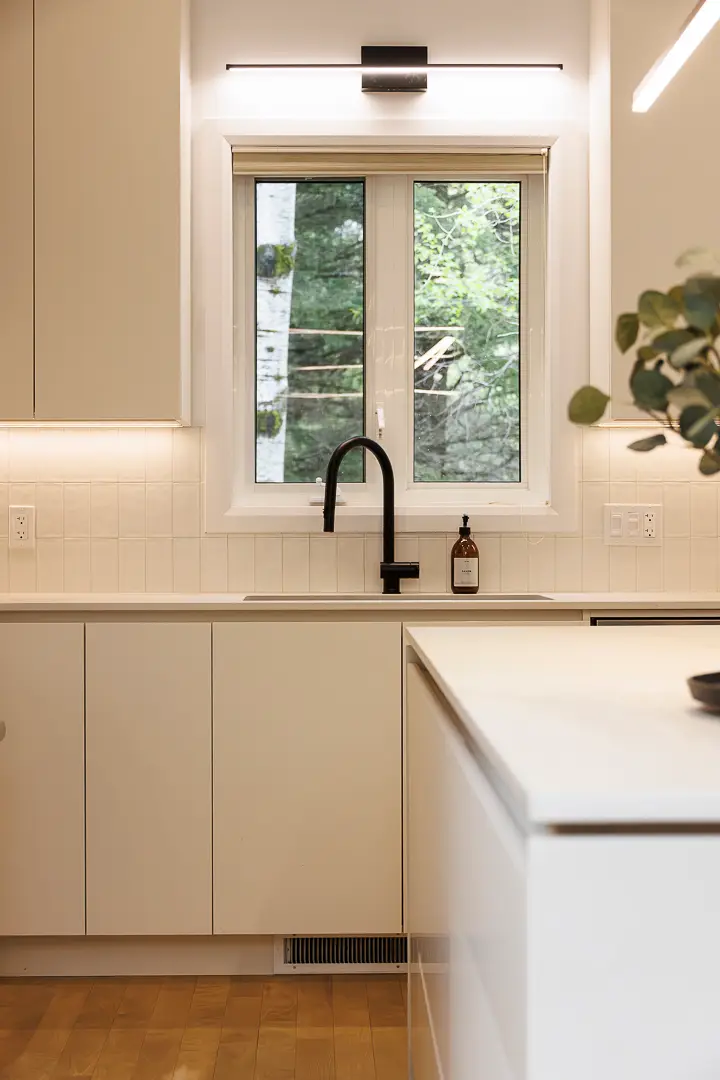
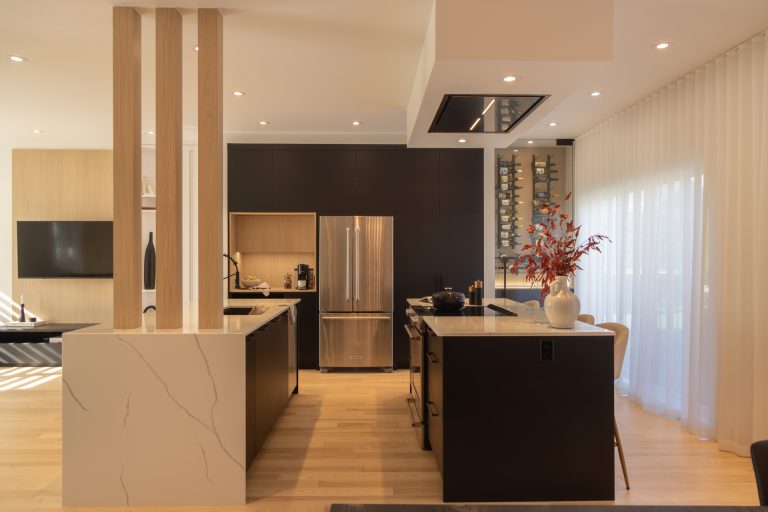
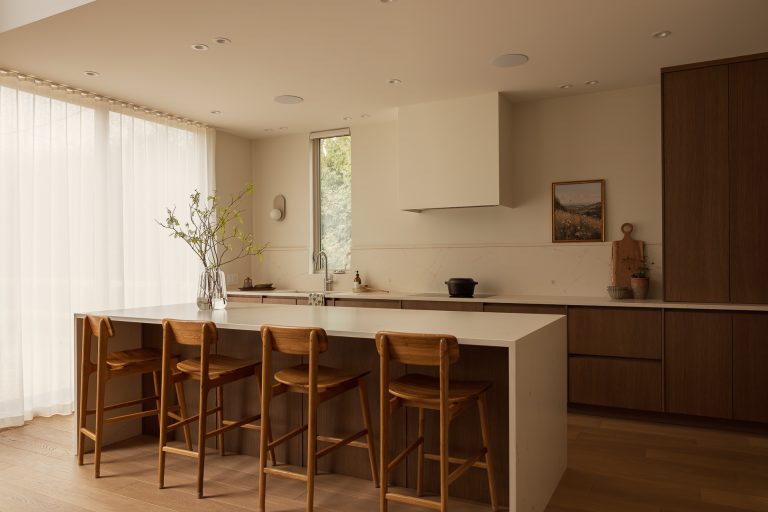
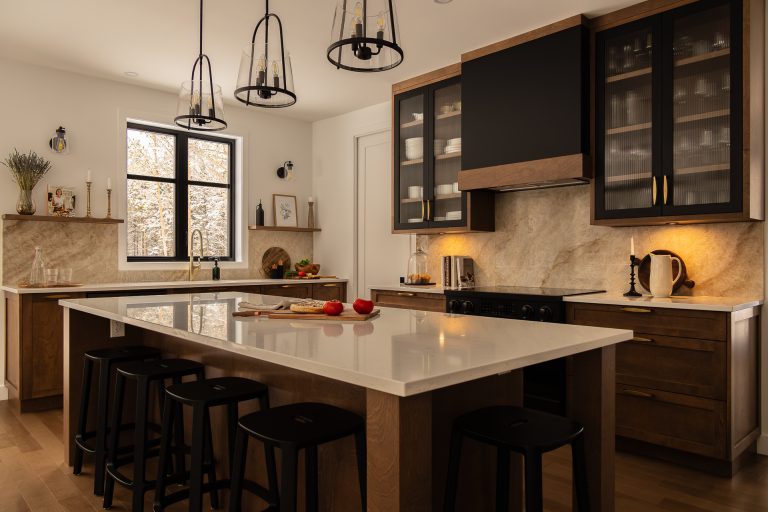
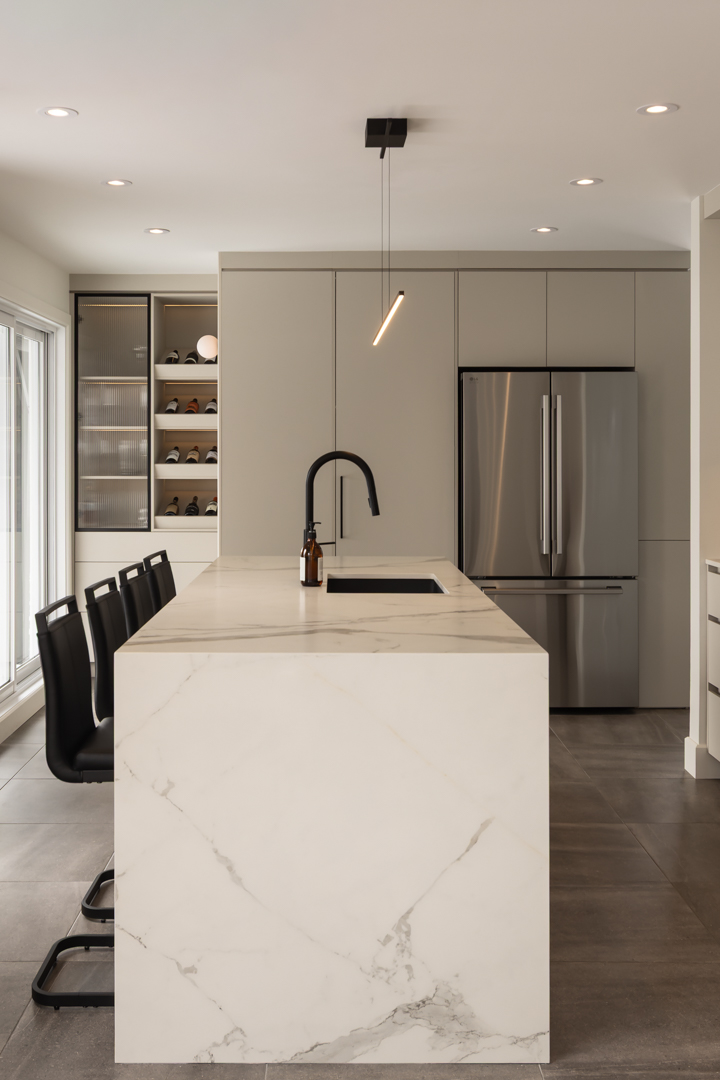
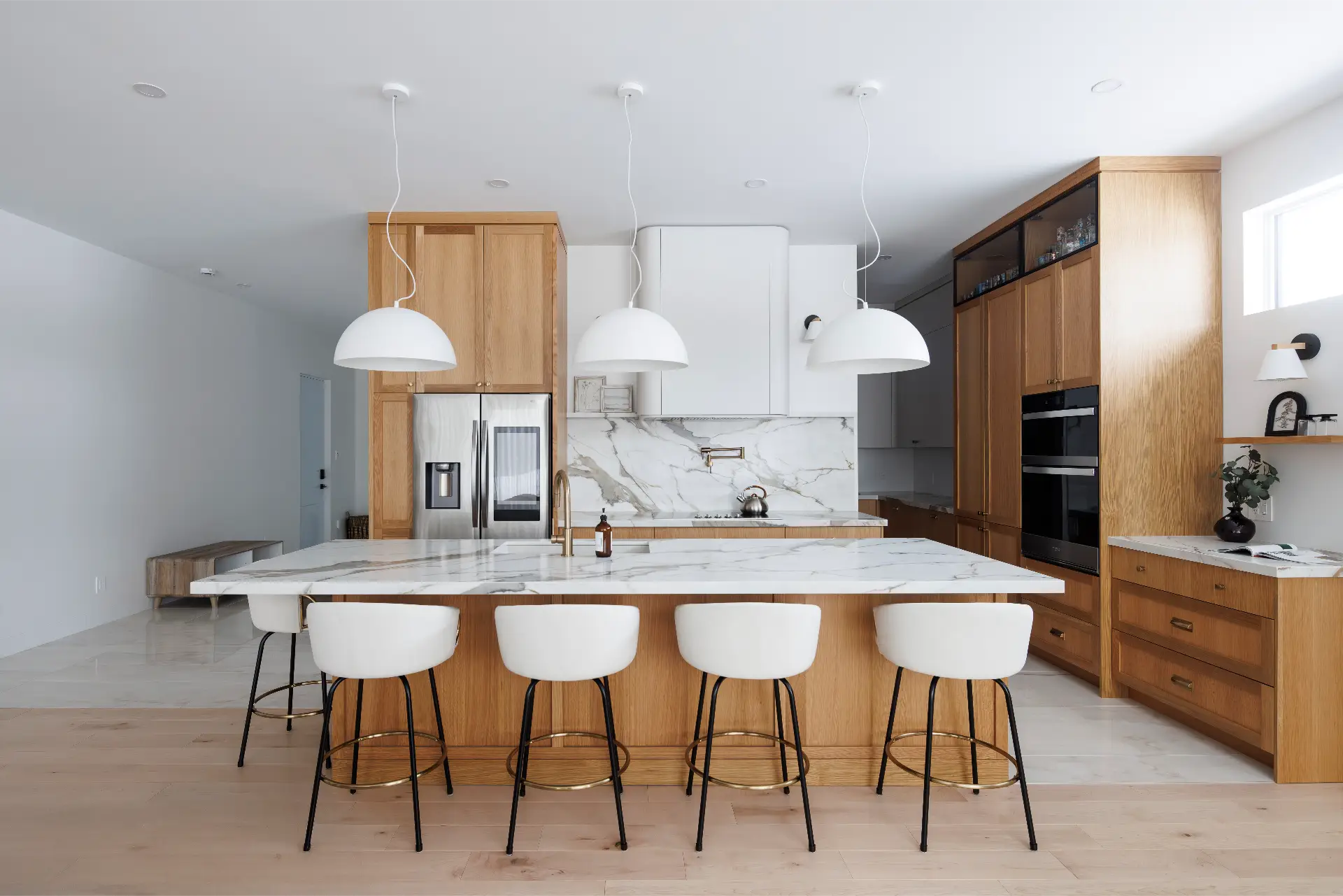
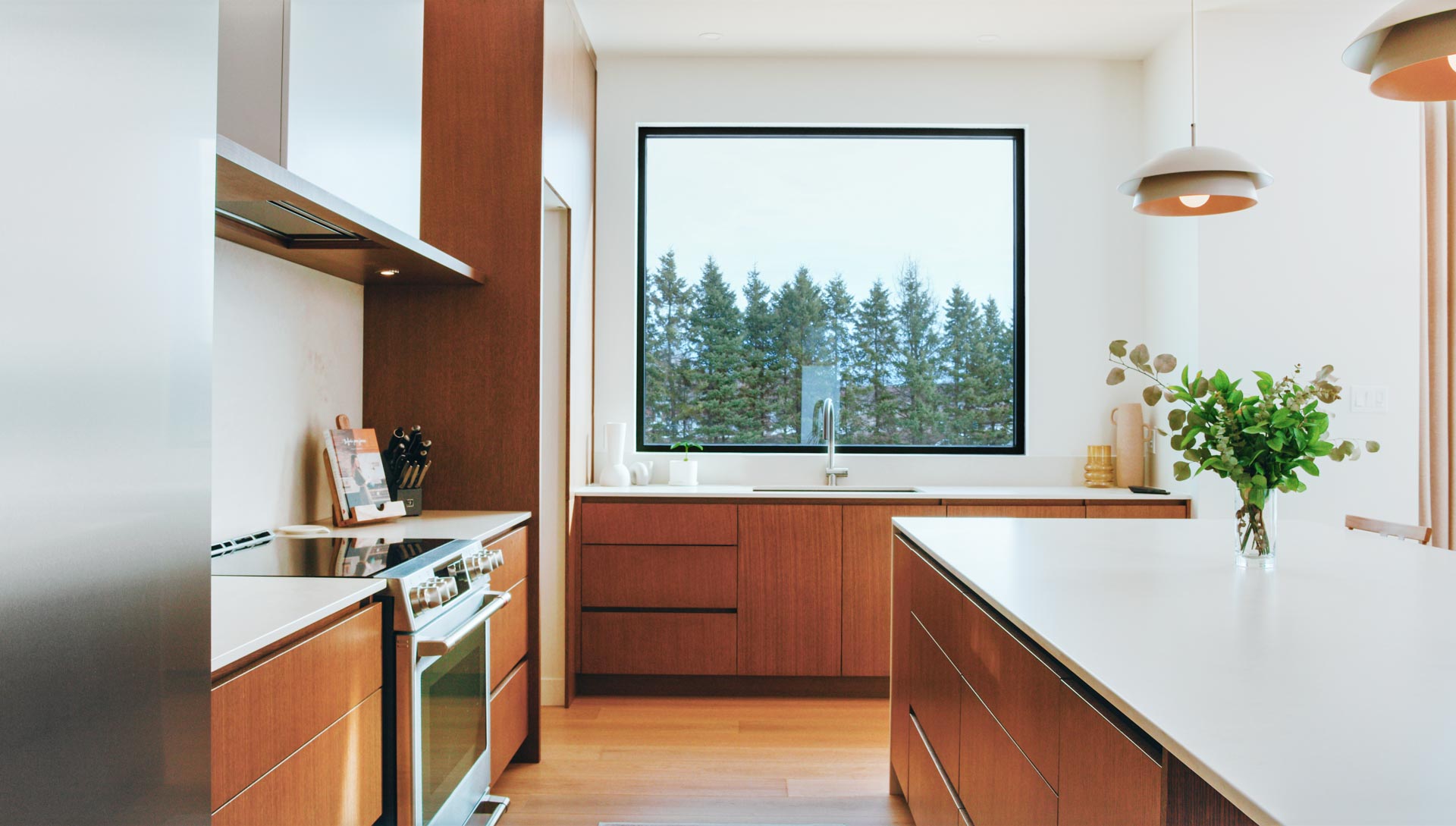
Our kitchen specialists and designers support you from slab selection through to final installation. With Dekton, you’re choosing an ultra-compact, high‑performance surface fabricated by certified shops and installed with rigorous quality control. The result: a streamlined, sturdy worktop designed for our climate, suited to indoor kitchens as well as an outdoor cooking nook.
Support from
a kitchen designer
Directly from
the manufacturer
Selection of
top brands
Turnkey
installation
Support from
a kitchen designer
Directly from
the manufacturer
Selection of
top brands
Turnkey
installation
At a glance
Why choose Dekton?
Properties and performance
Indoor air quality
Colours, finishes and design details for Dekton countertops
Long spans & seams
Dekton: the drawbacks
Before making your final choice, keep in mind that Dekton countertops come with a few drawbacks, such as limited repairability, sensitivity to localized thermal shock, and some matte finishes that can show marks. Here are our designers’ recommendations.
- Impacts on corners: Dekton is very hard. A sharp blow can chip an edge. Choose rounded profiles and protect corners during construction.
- Limited repairability: minor chips can sometimes be touched up by a pro, but a larger chip or a crack usually remains visible. Prevention is best.
- Precision cuts: diamond tooling and tight tolerances. Minimal on‑site adjustments. Entrust fabrication to a certified shop.
- Localized thermal shock: strong heat resistance, but a very hot source left in place for a long time can leave a mark. Use trivets.
- High weight: demanding handling and installation. Plan cabinet reinforcement and clear delivery access.
- Seams on long runs: even in XL format, some projects require joints. Plan the layout and pattern alignment (bookmatch).
- Matte finishes: sometimes more prone to oil marks/fingerprints. Adopt a simple care routine and choose the shade accordingly.
What ROCHON does for you
Turnkey Support for Your Kitchen Project
- Support from a ROCHON kitchen designer
- Full-size samples and colour/finish comparisons
- Recommendations on thickness, edge profile, backsplash, and seams
- Laser measuring (digital template)
- Optimized cutting plan to reduce the number of seams
- Shop quality control (tight tolerances, CNC cutting)
- Specialized team, protection of work areas
- Shimming, bonding, connections, and coordinated seams
- Managing cutouts (sink, cooktop, outlets) and commissioning
- Manufacturer warranty (material) + ROCHON warranty (labour)
- Clear care advice, after-project service available
How do you clean a Dekton countertop?
Let's discuss your next project
Learn more about our materials
Answers to the most frequent questions about Dekton countertops
What is the average price of a Dekton countertop in Quebec?
What is Dekton made of?
Dekton is composed of a blend of minerals (oxides, natural quartz, glass, and ceramics) sintered under very high heat and pressure, with no resin.
Is Dekton suitable for kitchen countertops?
Yes. Dekton performs very well for kitchen countertops thanks to its low porosity, resistance to stains, and stability with heat and UV.
Can Dekton be used in the bathroom?
Yes. Dekton can be used in the bathroom (vanities, walls, shelves) because it is non‑porous and easy to maintain.
Can Dekton be curved?
No. Dekton cannot be curved: it is a rigid slab that is worked by cutting and assembly (mitres) to create shapes.
Can Dekton be repaired?
Minor chips can sometimes be repaired by a professional, but a crack or structural damage is generally still visible.
Does Dekton chip easily?
Dekton does not chip easily on the surface, but corners/edges can chip if subjected to a sharp impact.
Does Dekton stain?
Dekton is difficult to stain because it is non‑porous; wipe up coffee, wine, or oils promptly to avoid halos or staining.
Is Dekton quartz?
No. Dekton is not “quartz” in the sense of a quartz countertop (resin + aggregates); it is a resin‑free, ultracompact sintered surface.
Does Dekton resist heat?
Dekton has very good heat resistance, but use trivets for extended placements to avoid localized thermal shock.
Is Dekton expensive?
Dekton is generally mid to high‑end, with pricing that varies by collection, thickness, and complexity of the cuts.
Is Dekton more expensive than granite?
Dekton can be comparable to or more expensive than many standard granites, and often lower than very exotic granites; it depends on the series and the market.
Is Dekton more expensive than quartz?
Dekton is sometimes pricier than mid‑range quartz, but can be comparable to high‑end quartz, depending on colour and texture.
Is Dekton natural stone?
No. Dekton is not a natural stone; it is an engineered material (sintered stone) made from minerals.
Is Dekton porcelain?
Dekton is not traditional porcelain, but it belongs to the family of ultracompact surfaces with similar or superior performance.
Is Dekton quartz?
No. Dekton is not “quartz” (resin + fillers); it is a resin‑free sintered surface, even though its formulation includes minerals such as natural quartz.
Is Dekton a sintered stone?
Yes. Dekton is indeed a sintered stone (an ultracompact surface produced by sintering).
Who manufactures Dekton?
Dekton is manufactured by Cosentino (Spain), the company behind the Dekton and Silestone collections.
Tips and Tricks
-
16 October, 2026 How to choose a timeless kitchen style that will not date quicklySummary Summary Why so many kitchens become...
-
17 September, 2026 Small kitchen: how to maximize storage, flow, and lightSummary At a glance Why a small...
-
17 September, 2026 Basement renovation: ideas and pricing for spaces that reflect your styleSummary At a glance What sets a...