Custom kitchens and bathrooms for over 50 years

Custom wood countertops in Quebec Rochon – cuisines et salles de bain 16 March, 2026

Custom wood countertops in Quebec

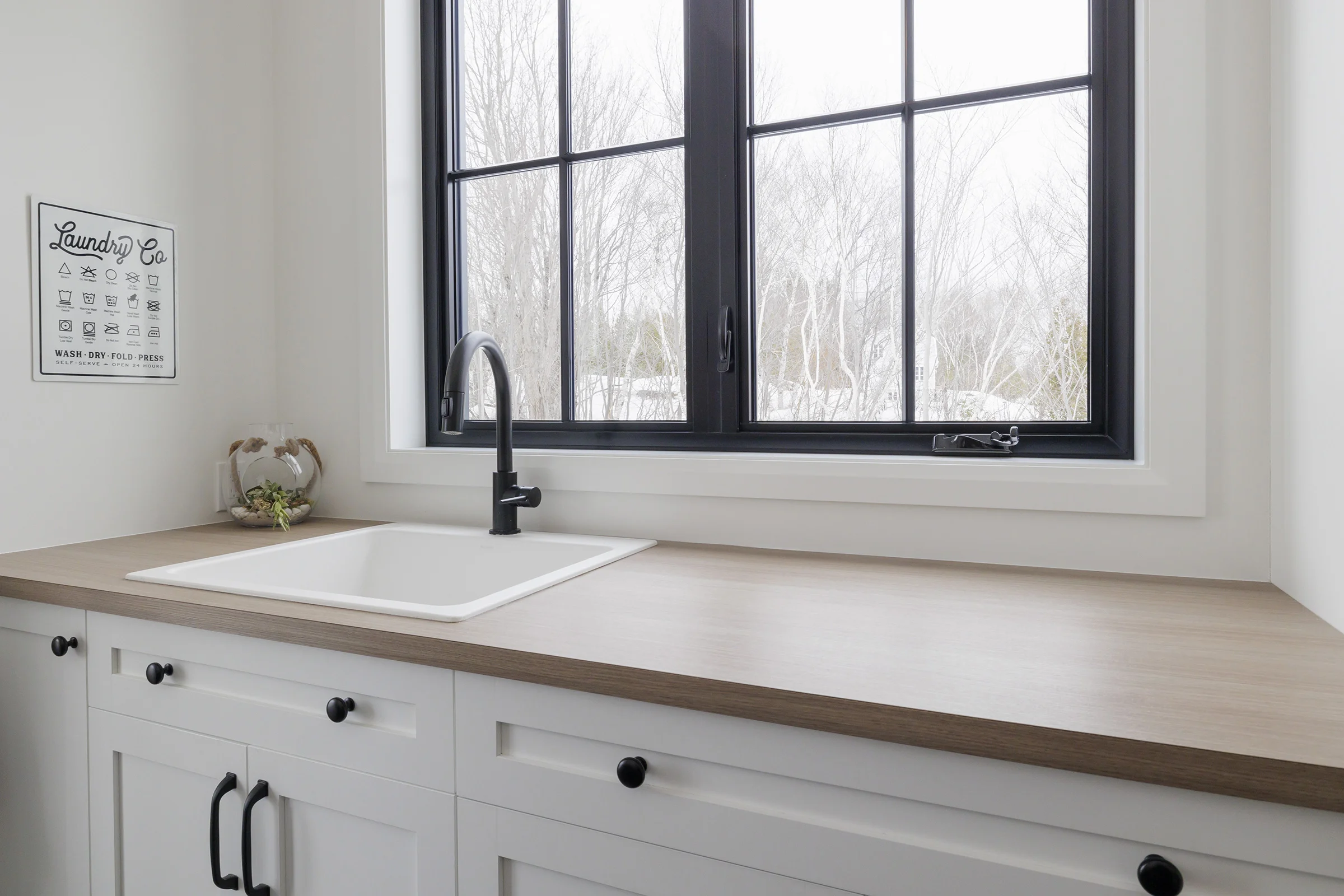
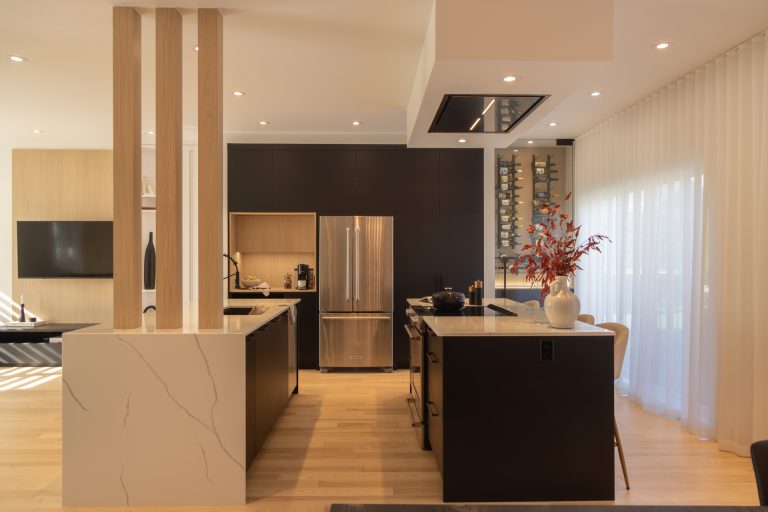
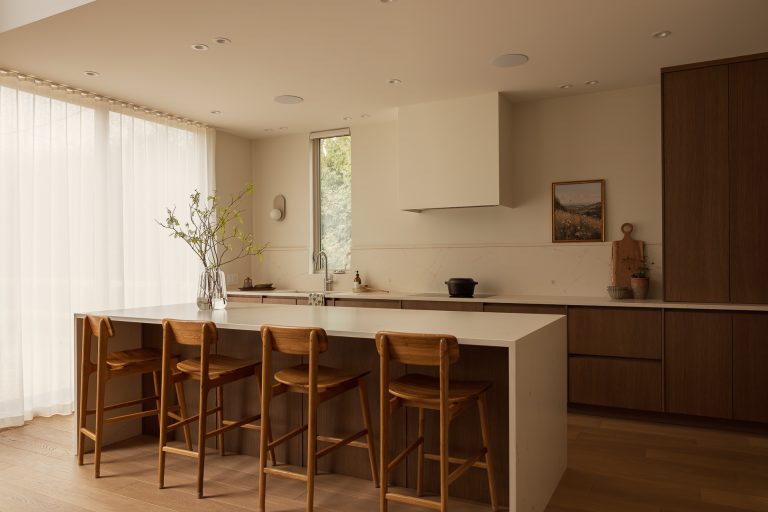
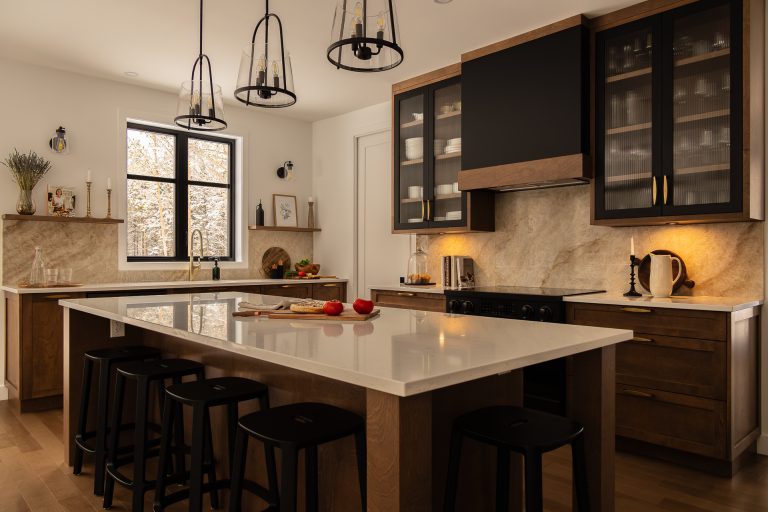
Thinking about wood countertops for your kitchen or bathroom? ROCHON kitchen designers are here to advise you on the best materials for your lifestyle, tastes and budget. For every renovation project, ROCHON favours a rigorous selection of wood species, finishes and protective methods to achieve countertops that look beautiful, are durable and are easy to care for every day.

Support from
a kitchen designer

Directly from
the manufacturer

Selection of
top brands

Turnkey
installation

Support from
a kitchen designer

Directly from
the manufacturer

Selection of
top brands

Turnkey
installation

In short

Wood countertops bring natural warmth and unique charm to a kitchen or bathroom, thanks to variations in grain and colour that make every surface different. They can be built from solid wood, often called “butcher block”, or as edge‑glued panels, with an oiled finish for a very authentic look or a varnished finish for added protection against moisture and stains. When the species, assembly and protective finish are well chosen, wood is quite durable. It also has the advantage of being repairable: many signs of use can be sanded and revived. In return, it calls for good habits, especially near the sink, since it is more sensitive to standing water and direct heat.

Why choose wood countertops?

Choosing wood countertops means opting for a surface that instantly adds warmth and character to a kitchen or bathroom. When properly selected and protected, wood offers a strong balance of aesthetics, day‑to‑day comfort and the possibility of renewal over time.

Wood countertops can be remarkably durable, provided the design and protective finish match your daily routine. The goal is simple: obtain a stable, resistant surface that is easy to maintain, even in a busy kitchen.

What wood types are used for countertops?

The choice of wood species influences both the style and the performance of a kitchen countertop. Some species are appreciated for their hardness, others for their stability or for a more uniform grain. The idea is to select a wood that matches your use (area near the sink, a heavily used island, bathroom, etc.) and the look you want.

  • Maple: very popular in kitchens, with fine grain and light tone. It offers good day‑to‑day resilience.
  • Oak: more pronounced texture and a warm look. It suits a confident, enduring style.
  • Walnut: rich, elegant tone. Ideal for an upscale effect and stronger contrast.
  • Beech: even appearance and often used in edge‑glued construction. A good choice for a bright look.
  • Bamboo: contemporary aesthetics. Stability and durability depend greatly on manufacturing quality.

The construction method matters just as much as the species: a quality edge‑glued wood countertop is often preferred for its stability, while a solid wood countertop places more emphasis on the material’s natural character and variations.

Wood countertop finishes

The finish determines the wood’s overall appearance, its resistance to stains and water, and the care needed day to day. A proper finish lets you enjoy the charm of wood without multiplying precautions, especially in an active kitchen.

  • Oiled finish (oil, oil‑wax): highlights the grain and yields a very natural look. Touchups are simple and localized, but periodic maintenance is required, more frequently at first.
  • Varnished finish: creates a more robust protective barrier against moisture and stains. Upkeep is generally lighter, although repairs can call for refinishing a wider area.
  • Stain & protection: allows you to adjust the colour (lighten, warm, darken) while preserving the grain. The stain must always be compatible with the protective finish you have selected.

Before deciding, focus on real‑world use: proximity to the sink, cooking habits, tolerance for marks and the care level you want. A well‑chosen finish turns a wood countertop into a durable, enjoyable surface.

Wood countertops: possible drawbacks

Wood kitchen countertops are beautiful, but they call for a realistic approach. Wood is a living material that reacts to water, heat and use. When well chosen and well protected, it ages very well, but it does not offer the same tolerance as a highly waterproof surface.

  • Sensitivity to water: standing water can cause stains, darkening or swelling, especially near the sink and at the seams.
  • More important upkeep: an oiled finish requires periodic refreshes to maintain good protection.
  • Scratches and marks: wood marks more easily from knives, impacts and heavy objects, although these marks are often repairable.
  • Reaction to heat: a very hot pot or pan can leave a mark. Using trivets becomes an essential habit.
  • Natural variation: grain, colour and patina evolve over time. This is a plus for some, less so for others.
  • Risk of movement: wood “moves” with humidity and temperature. Fabrication quality, assembly and installation are key to preventing warping and microcracks.

What ROCHON does for you

How to clean wood kitchen countertops

Cleaning wood countertops should stay simple: use little water, no abrasives, and always dry afterward. The aim is to keep the surface clean without weakening the protection (oil or varnish) or letting moisture penetrate the wood.

  • Daily: use a slightly damp microfiber cloth with mild soap, then dry immediately.
  • Avoid: abrasive sponges, bleach or ammonia, harsh cleaners, steam and standing water.
  • Periodic maintenance (if oiled finish): apply a thin coat of an appropriate oil, wipe off the excess and let dry as directed by the product.
  • If a spill occurs (coffee, wine, sauce, grease): blot without scrubbing hard, clean gently with mild soap, dry and let the area breathe. Avoid covering with a damp mat.

Let's discuss your project

ROCHON kitchen designers support your planning to achieve a coherent, durable kitchen or bathroom suited to your day‑to‑day life.

Answers to the most frequently asked questions about granite countertops

How much do granite countertops cost?

The price of granite countertops depends on thickness, stone rarity, cutouts (sink, cooktop, outlets), edge profiles, and transport. For a standard project, the investment is comparable to quality natural stones. Get an exact price after measuring and slab selection.

Rinse immediately with warm water. If a halo remains, apply a poultice: baking soda with water for organic stains, or baking soda with peroxide for grease. Let it sit, then rinse and dry. Avoid cleaners that are too acidic or abrasive.

Daily cleaning is completed with mild soap and a microfibre cloth. Wipe acidic liquids such as wine, lemon, and coffee quickly. Renew the sealer as needed using the water-drop test. Use trivets and cutting boards to preserve the finish.

Clean, dry, then apply a natural-stone enhancer or conditioner if desired. Avoid cheap silicone polishes that leave a film. Professional polishing restores lustre if wear is significant.

Minor chips can sometimes be filled with a tinted resin, then carefully polished. For a crack, a seam that has sunk, or a large chip, we recommend contacting a specialist. The proper tools and diamond abrasives are required.

Clean and dry the surface. Apply a natural-stone sealer with a lint-free applicator, let it penetrate, wipe off the excess, and buff lightly. Repeat according to the manufacturer’s recommendations and how frequently the surface is used.

DISCOVER OUR
Tips and Tricks