Choosing between a Dekton, quartz, or granite countertop can be challenging when renovating your kitchen. All three are excellent materials that could easily satisfy your needs.
ROCHON, your kitchen designer in Quebec, breaks down each option to help you choose the right countertop for your home.
Key takeaways
- Dekton is the most durable and heat-resistant material (up to 538°C / 1,000°F), making it ideal for active kitchens and outdoor use.
- Quartz offers the best value for money and the widest variety of designs, but cannot withstand extreme heat.
- Granite is a versatile natural stone, but requires annual resealing.
- Prices in Quebec in 2026: quartz and granite from $50 to $150/sq. ft., Dekton from $60 to $175/sq. ft. (installed).
- A quality countertop can recoup 75 to 100% of its investment at resale.
- The ideal choice depends on your budget, lifestyle, and intended use (indoor vs. outdoor).
Summary
- Key takeaways
- Manufacturing processes
- The appearance of each material
- Durability: quartz, Dekton, or granite countertops
- Ease of maintenance
- Repairability
- Cost: Dekton vs. granite vs. quartz countertops
- Resale value: a smart investment
- Environmental impact and sustainability
- Which is the best choice?
- Which countertop suits your profile?
- Frequently asked questions (FAQ)
Summary
- Key takeaways
- Manufacturing processes
- The appearance of each material
- Durability: quartz, Dekton, or granite countertops
- Ease of maintenance
- Repairability
- Cost: Dekton vs. granite vs. quartz countertops
- Resale value: a smart investment
- Environmental impact and sustainability
- Which is the best choice?
- Which countertop suits your profile?
- Frequently asked questions (FAQ)
Manufacturing processes
Each of these three materials is produced through a distinct manufacturing process.
Dekton is the intellectual property of the Spanish multinational Cosentino. It involves a metamorphic process that subjects natural stone to extreme temperatures and pressures.
Granite must be quarried, transported, and then cut into the shape of the countertop. Among the three processes, it is the most labour-intensive and least environmentally friendly.
Quartz is also extracted from the earth, but it is reduced to fine dust before being agglomerated with resin and subjected to intense heat and pressure.
The appearance of each material
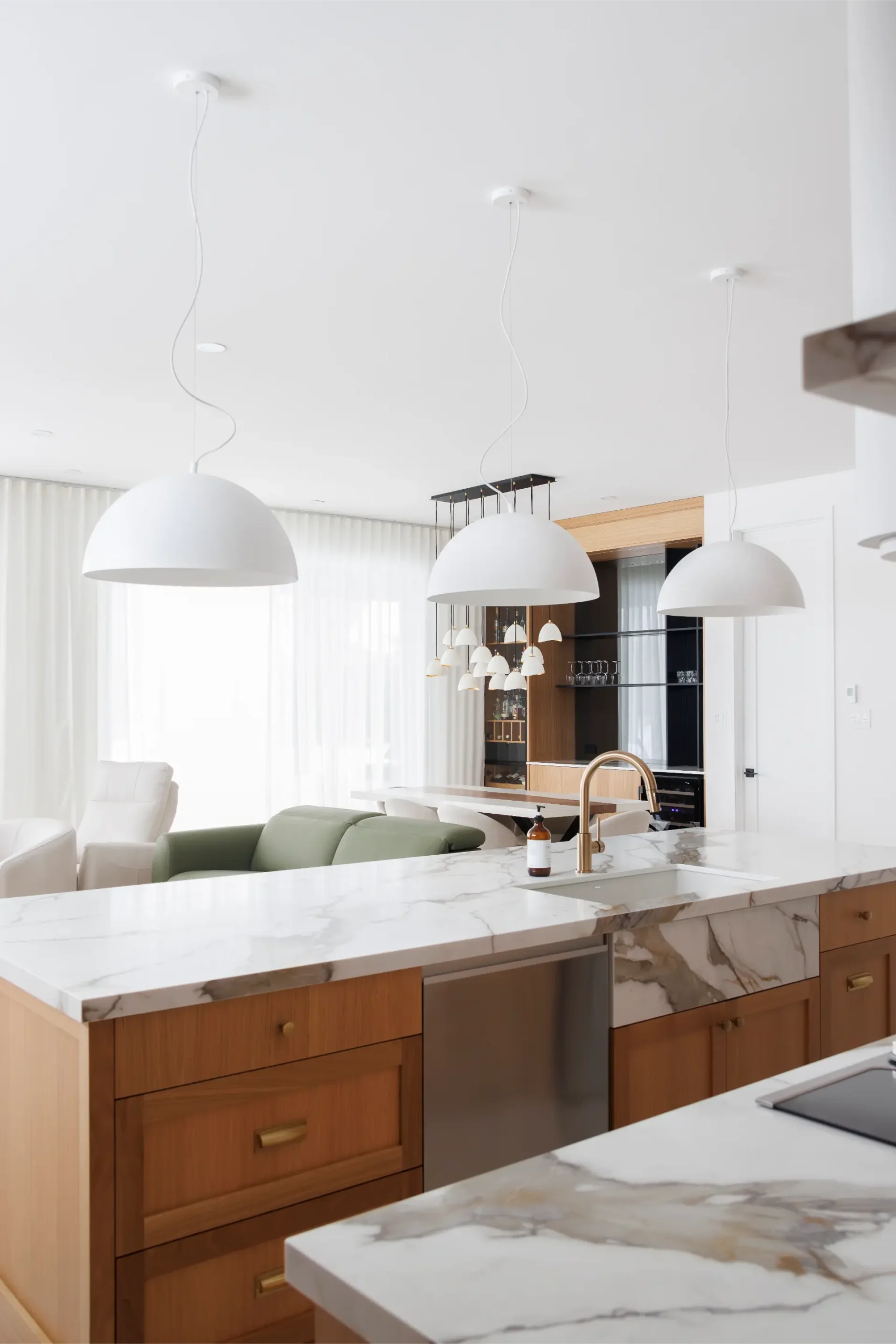
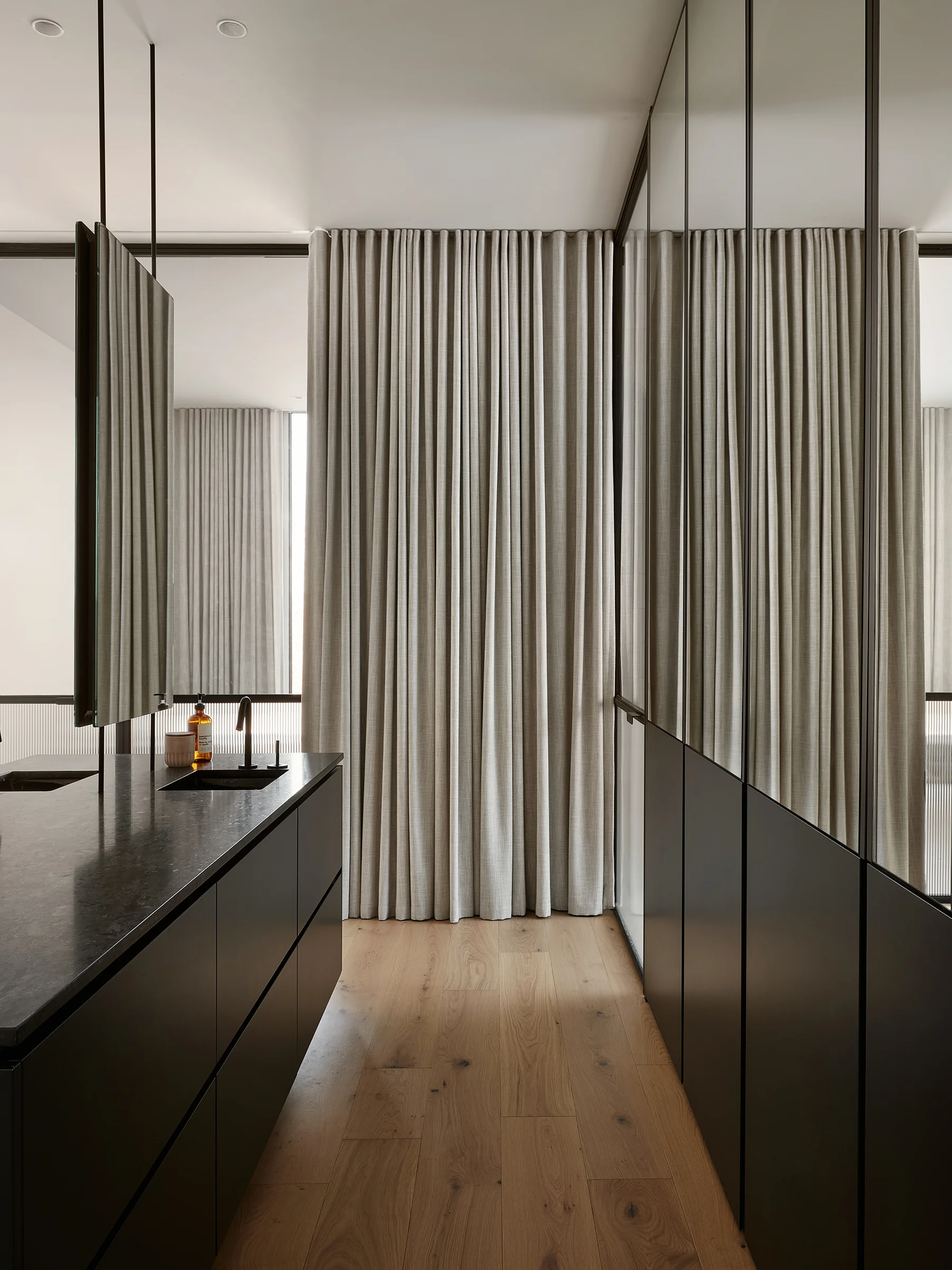
Granite is a highly versatile stone. It naturally comes in many colours and patterns, allowing you to choose from a wide range of options while maintaining a natural aesthetic.
Because it is a natural stone rather than an engineered one, it is harder to control the look of each slab. The final result may differ from the sample shown by your designer. That is why we always recommend that clients go and select their slab directly from the supplier.
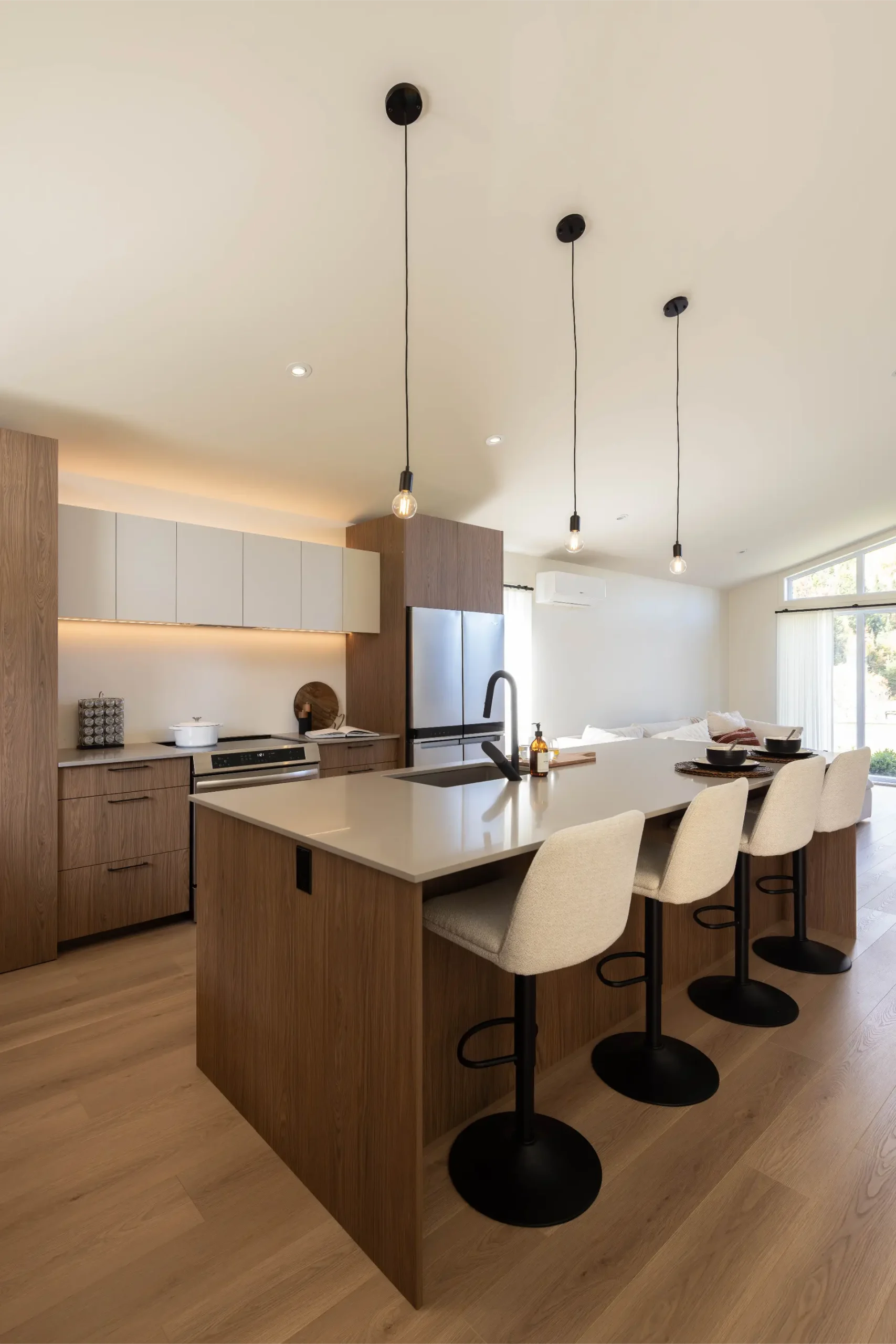
Thanks to the pigments added to quartz during production, it can be matched to virtually any colour. This makes it even more adaptable than granite.
The manufacturing process of Dekton allows it to take on any pattern or colour. It is even available in a finish that replicates the look of the other two materials. A Dekton countertop can complement any decor.
Check out our complete guide on types of kitchen countertops to learn more.
Durability: quartz, Dekton, or granite countertops
In terms of durability, all three materials are very long-lasting and, with proper care, will stand the test of time.
Each has varying levels of resistance to heat, moisture, and stains.
Heat resistance
Dekton and granite countertops are highly resistant to heat. Quartz can be damaged by intense heat. For example, it is strongly advised not to place a hot pan directly on a quartz countertop.
More specifically, Dekton withstands temperatures up to 538°C (1,000°F) without damage, so you can set a hot dish straight from the oven without a trivet. Quartz, on the other hand, can discolour or have its resin weakened above 150°C (300°F). Granite handles occasional heat well, but a sudden thermal shock could cause it to crack in rare cases.
Moisture resistance
Moisture itself is not a problem for any of these three materials.
However, the porous nature of granite can allow liquid to seep in and create permanent stains. It is therefore important not to leave coloured liquids on a granite countertop for extended periods, especially in the case of light-coloured natural stone.
Stain resistance
With the exception of liquids that can soak into granite, all three materials are very resistant to stains when cleaned properly.
Renovating your kitchen? Check out our guide!
UV resistance and outdoor use
An often-overlooked factor is UV resistance. Dekton is 100% UV stable, meaning it will not fade, degrade, or lose its appearance even after years of direct sun exposure. This makes it the top choice for outdoor kitchens, patios, and barbecue areas.
Quartz, by contrast, is not recommended for outdoor use. Prolonged UV exposure can cause its surface to yellow or discolour, as the resin it contains is sensitive to direct sunlight. Granite handles UV better than quartz, but some shades may still fade slightly over time.
Estimated lifespan
Longevity is an important factor when calculating the real cost of your countertop:
- Dekton: 25 years and more. Its ultra-compact composition makes it extremely resistant to daily wear.
- Quartz: 15 to 25 years. Very durable with minimal maintenance, although the resin can deteriorate over the long term.
- Granite: 20 to 30 years and more. With annual resealing and proper care, granite can last a lifetime.
When you factor in the price per year of use, Dekton often becomes a comparable investment to the other materials, despite its higher upfront cost.
Ease of maintenance
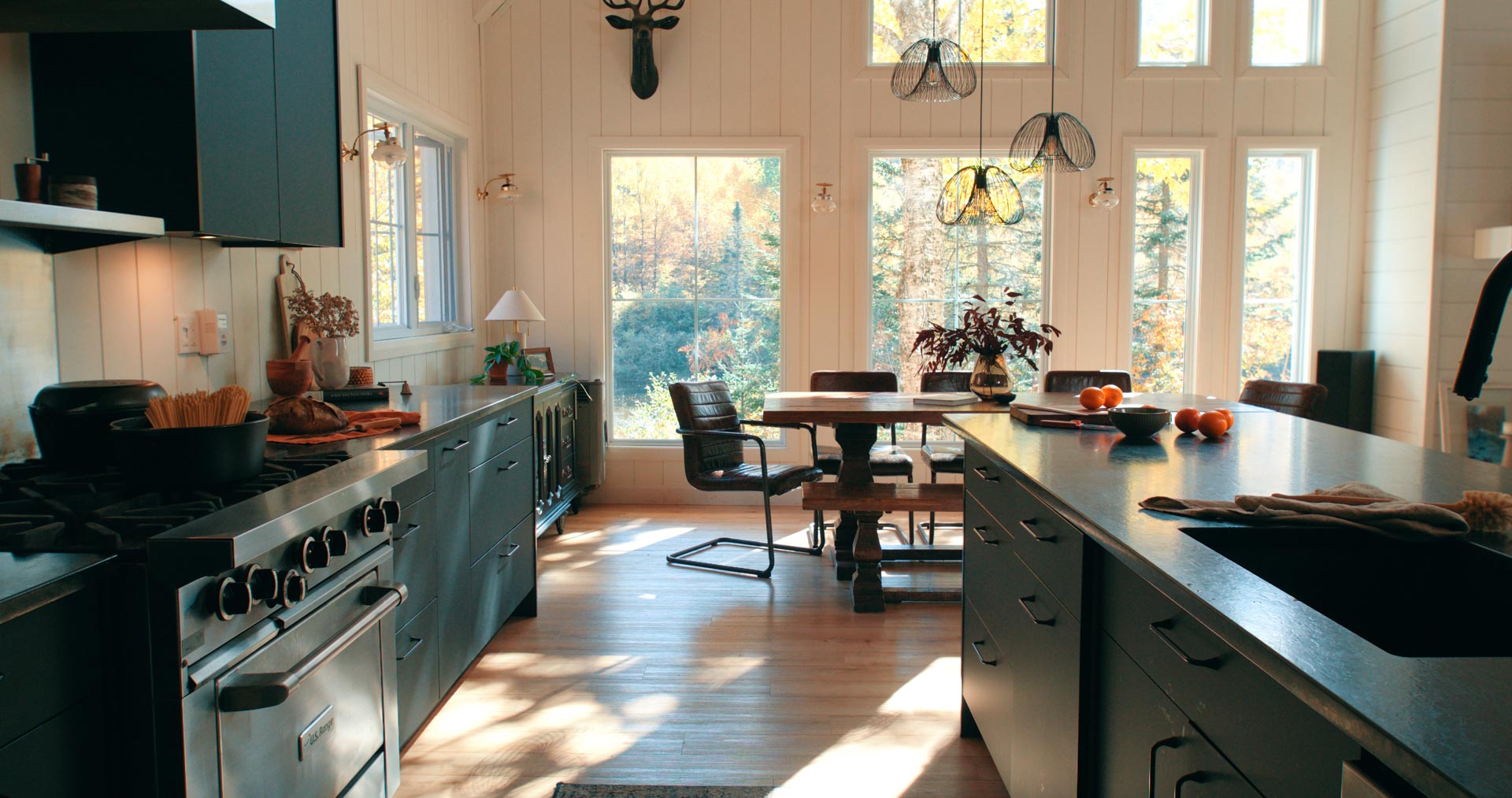
Granite generally needs to be washed regularly with a mild soap to maintain its lustre and beauty. In addition, for increased longevity, it should be resealed once a year.
Quartz and Dekton also need to be cleaned regularly with a mild soap, but have no other particular maintenance requirements.
Regardless of your countertop material, it is important to avoid abrasive cleaning products, as they can cause damage. For stubborn stains, we recommend consulting the manufacturer’s care guide.
Repairability
Quartz and granite can usually be repaired using clear adhesives or epoxy to fill cracks and reattach broken pieces. They are therefore materials that offer excellent longevity for those with a bit of DIY ability.
With Dekton, a crack in the surface can be covered, but the manufacturer notes that cracks will continue to grow. Dekton cannot be easily repaired. This is a drawback that it compensates for with its exceptionally high durability.
Cost: Dekton vs. granite vs. quartz countertops
The cost of a quartz or granite countertop can vary greatly depending on the manufacturer’s quality. However, both are generally available at similar price points, with granite typically being slightly less expensive.
If you are deciding between Dekton and quartz, it is important to know that Dekton is often slightly more expensive than quartz and granite.
Price per square foot in Quebec in 2026
To help you plan your budget, here are the average price ranges in Quebec in 2026 (material and installation included):
- Quartz: $50 to $150 per sq. ft. The price varies depending on the manufacturer, colour, and edge profile chosen. For a standard kitchen of 30 to 40 sq. ft., budget between $1,500 and $6,000.
- Granite: $50 to $150 per sq. ft. Similar to quartz, granite offers a comparable price range. Rare or exotic colours cost more.
- Dekton: $60 to $175 per sq. ft. Positioned at the higher end of the market, Dekton justifies its price through exceptional durability and versatility (both indoor and outdoor).
Don’t forget to include cutting, edge profiling, backsplash, and finishing costs in your budget. A ROCHON designer can provide a precise estimate based on the exact dimensions of your project.
Planning a full renovation? Read our article on kitchen renovation costs.
Resale value: a smart investment
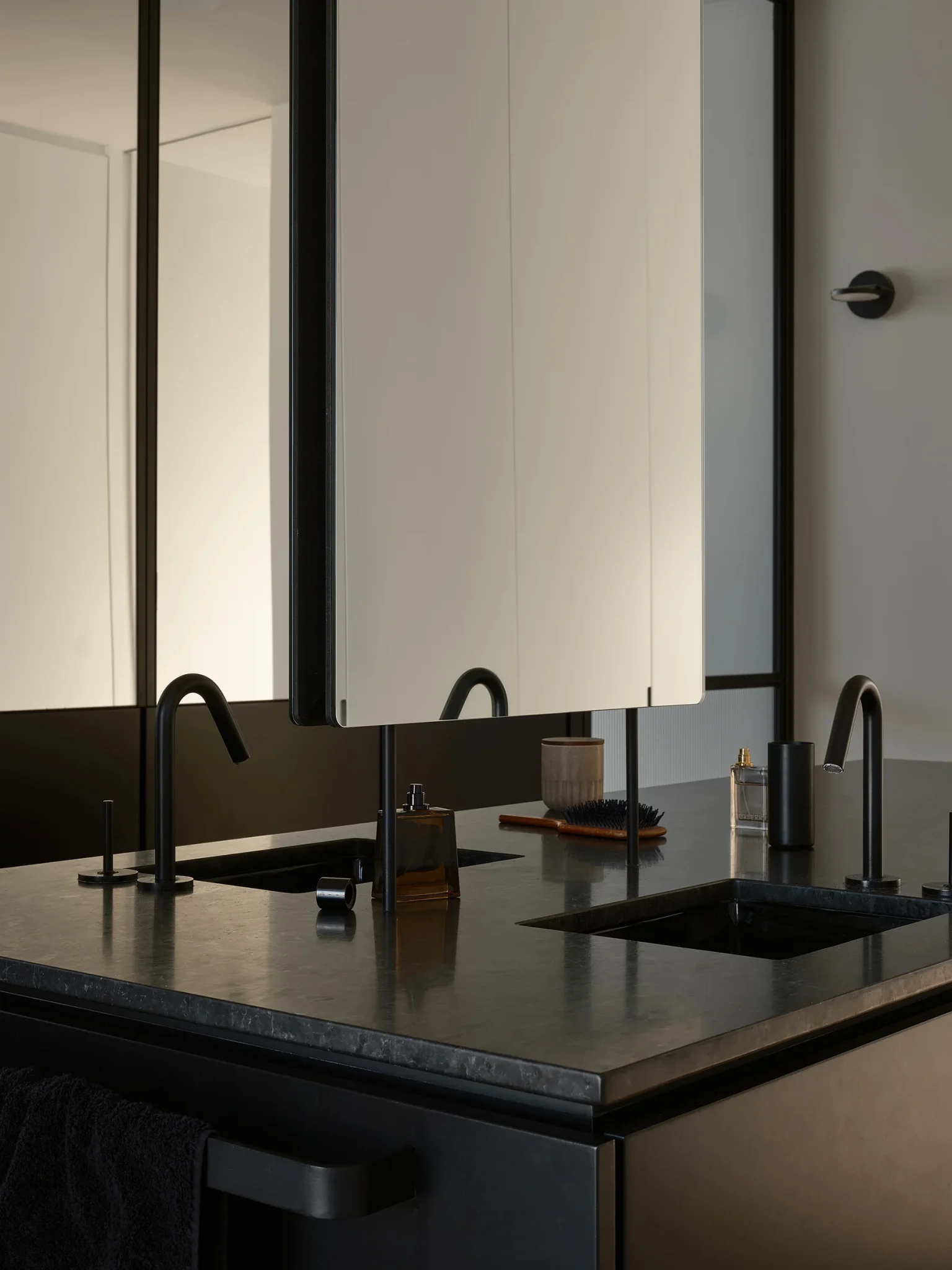
The kitchen is often the feature that sells a home. A quality countertop can have a significant impact on the perceived value of your property. In Quebec, a well-executed kitchen renovation can recoup between 75 and 100% of the investment at resale.
Quartz is currently the most sought-after material among buyers due to its minimal maintenance and modern appearance. Granite retains a high perceived value thanks to its natural character and uniqueness. Dekton, while less well known to the general public, is increasingly appreciated in upscale properties.
ROCHON Tip: don’t over-invest. Make sure the cost of your countertop is proportional to the overall value of your property and the market in your neighbourhood.
Environmental impact and sustainability
For homeowners mindful of their ecological footprint, here is what you need to know:
Granite is a non-renewable natural resource. Quarrying has a notable environmental impact (heavy transport, extraction energy), especially when imported from overseas. Choose local or North American granite to reduce your carbon footprint.
Quartz and Dekton are engineered materials. Their production consumes energy, but generates less waste than natural stone extraction. Cosentino, the manufacturer of Dekton, has implemented recycling programmes and closed-loop water systems at its plants.
For a greener choice, ask your ROCHON designer about countertop options made from recycled materials or certified by recognized environmental organizations.
Which is the best choice?
Granite, Dekton, or quartz? Each option has its advantages and disadvantages. All three are excellent choices for your kitchen countertop. Dekton is also an outstanding choice for outdoor kitchens.
Dekton may be the better choice if you want something extremely durable or are looking for a very specific style.
You might prefer quartz or granite if you are looking for less expensive options that also offer a number of respective advantages.
Ultimately, your countertop should be made from a material you love and that fits your budget. There is no single right answer.
Explore all our custom countertop inspirations to find the one that suits you.
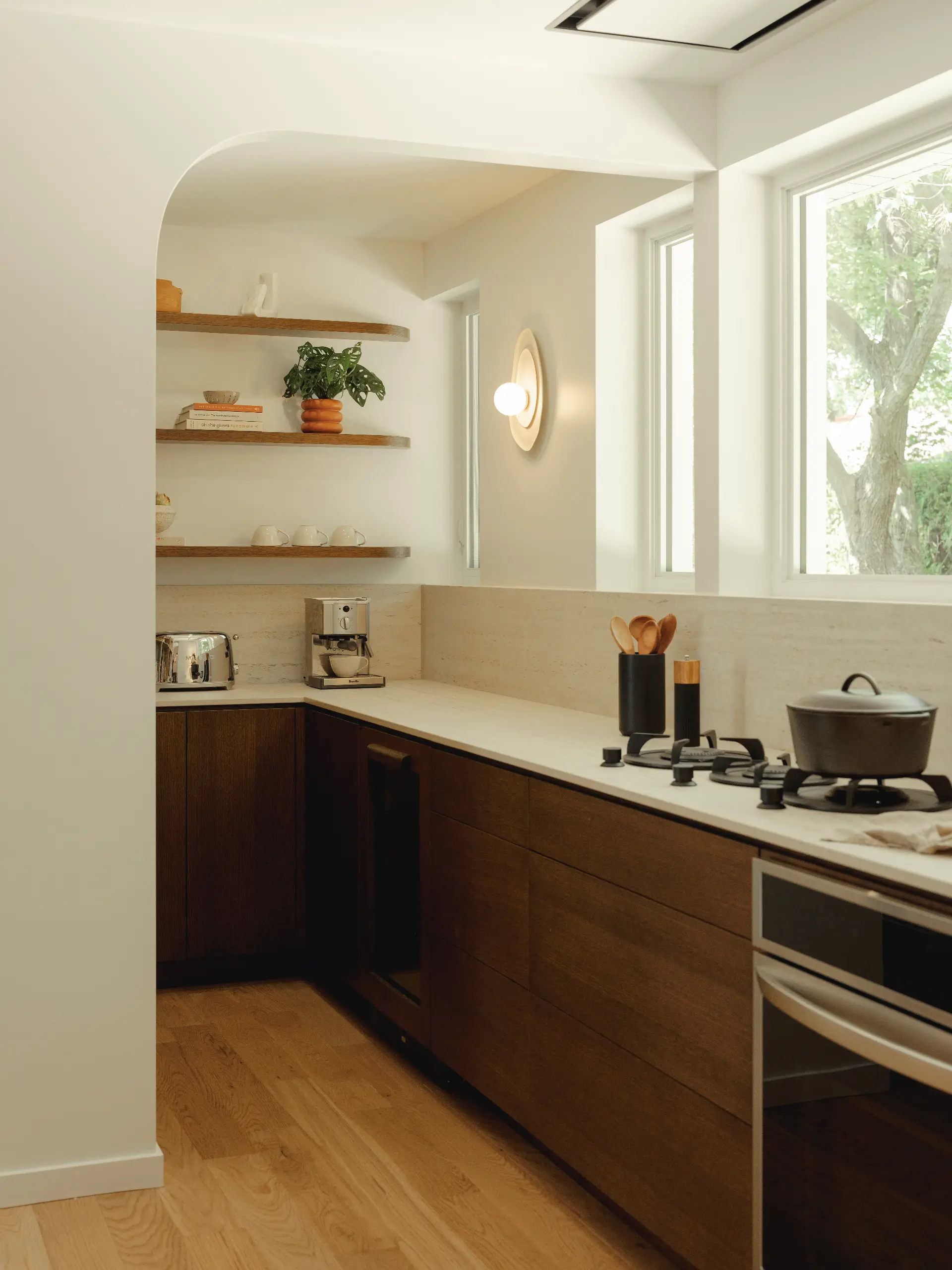
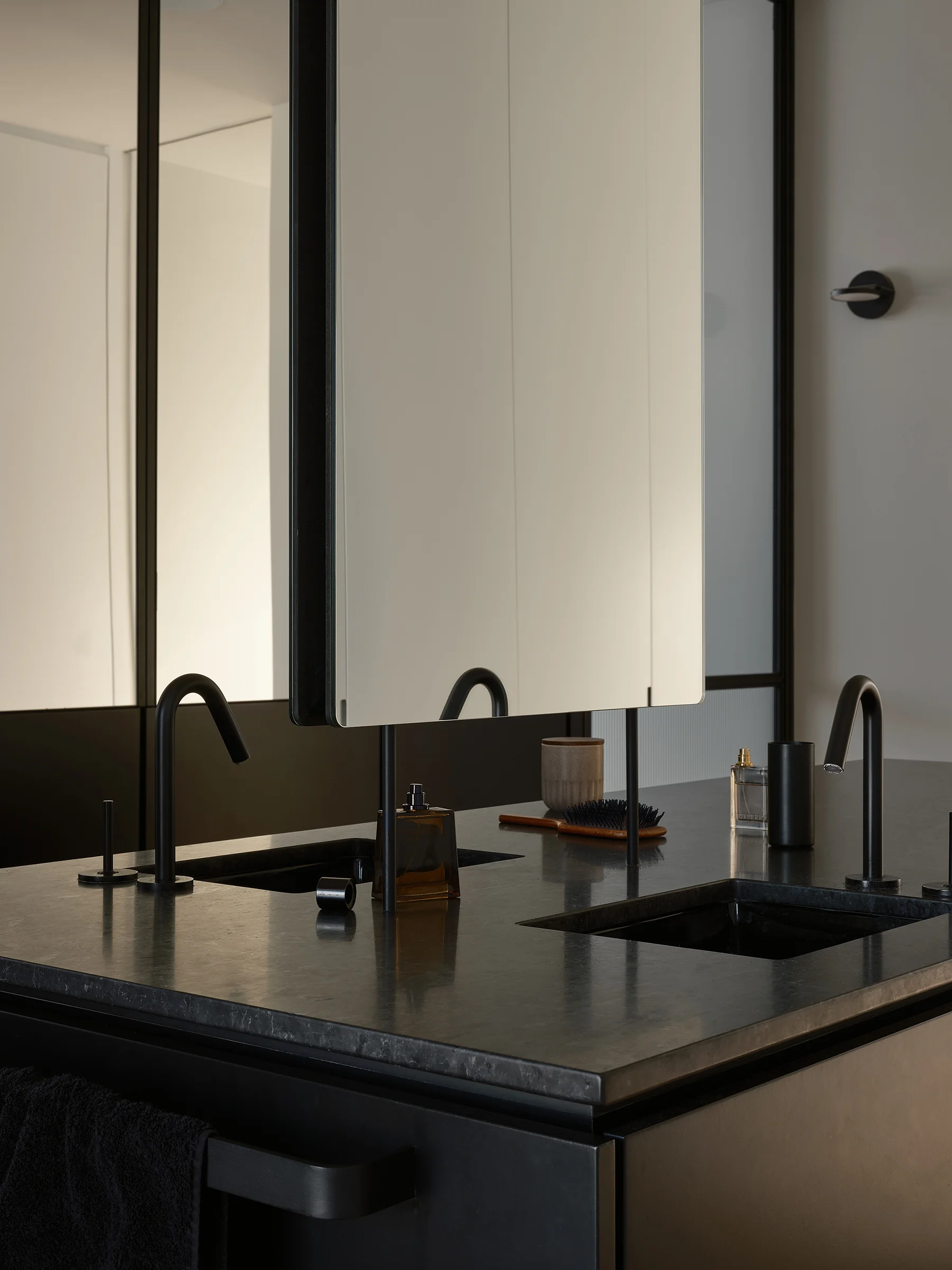
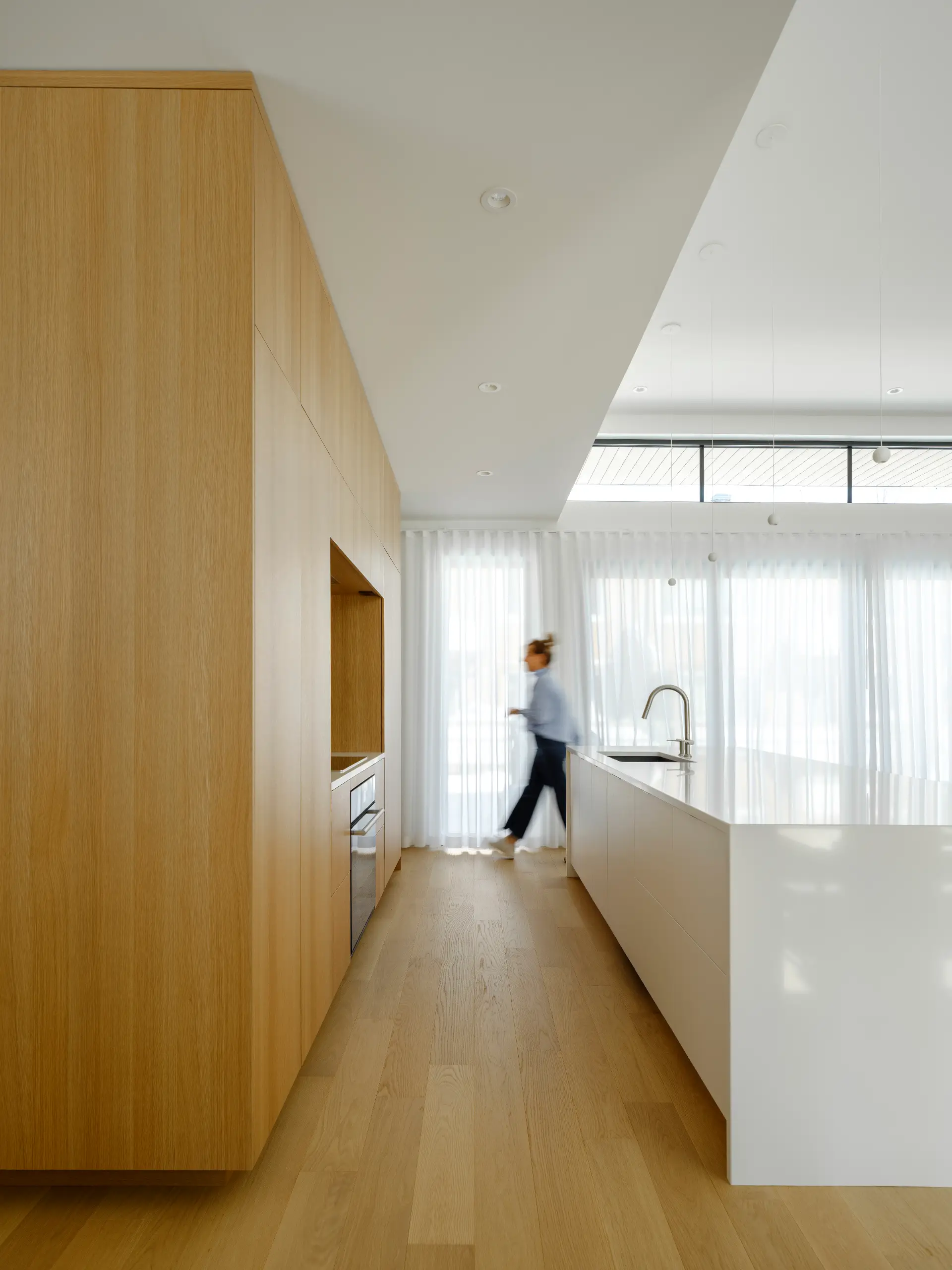
Which countertop suits your profile?
To help you choose, here are our recommendations based on your situation:
- Active family with children: Quartz is your best ally. Non-porous, stain-resistant, and easy to clean, it handles the demands of a busy kitchen effortlessly.
- Cooking enthusiast or home chef: Dekton excels thanks to its heat resistance. You can set hot pots and pans directly on it without worry.
- Outdoor kitchen or patio: Dekton is the only truly suitable choice among these three materials, thanks to its UV and weather stability.
- Tight budget: Entry-level granite or quartz offers excellent value for money starting at $50/sq. ft.
- High-end project: Dekton or an exotic granite will add a touch of prestige and uniqueness to your kitchen.
- Planning to sell soon: Quartz is currently the most sought-after material among buyers in Quebec.
To help you decide, here is a comparison chart showing the various advantages (+) and disadvantages (-) of each material:
| Feature | Granite | Quartz | Dekton |
|---|---|---|---|
| Price | + | + | – |
| Durability | + | + | + |
| Heat Resistance | + | – | + |
| Moisture Resistance | – | + | + |
| Stain Resistance | – | + | + |
| Repairability | + | + | – |
| Design Choice | – | + | + |
| UV Resistance | – | – | + |
| Outdoor Use | – | – | + |
Kitchen renovations in Montreal, Quebec City, and Gatineau go through ROCHON, Kitchens and Bathrooms: the reference in the field. Contact us now for a consultation!
For related work, don’t hesitate to call on Gereco Construction, our preferred partner for electrical, plumbing, painting, and more.
Frequently asked questions (FAQ)
How much does a kitchen countertop cost in Quebec in 2026?
The price of a kitchen countertop in Quebec varies depending on the material chosen. In 2026, expect to pay between $50 and $150 per sq. ft. for quartz or granite (installed), and between $60 and $175 per sq. ft. for Dekton. For a standard kitchen of 30 to 40 sq. ft., the total budget ranges from $1,500 to $7,000, depending on the material, colour, and complexity of the installation.
Which countertop material is the most durable?
Dekton is the most durable of the three. It is resistant to heat up to 538°C (1,000°F), scratches (five times more resistant than granite), UV rays, and stains. Its lifespan exceeds 25 years. Granite and quartz are also very durable (15 to 30 years), but each has its limitations: quartz is sensitive to extreme heat, and granite requires annual resealing.
Can quartz be used in an outdoor kitchen?
No, quartz is not recommended for outdoor use. Prolonged exposure to UV rays can cause the surface to yellow or discolour, as the resin it contains is sensitive to direct sunlight. For an outdoor kitchen, Dekton is the ideal choice due to its complete UV and weather stability. Granite can be used outdoors, but some shades may change slightly over time.
Can you cut directly on a Dekton countertop?
Technically, Dekton is scratch-resistant enough to withstand direct cutting. However, we always recommend using a cutting board to preserve the appearance of your countertop over the long term and to protect your knives. None of the three materials should be used as a regular cutting surface.
What thickness should I choose for my countertop?
The standard thickness for a kitchen countertop is 3 cm (approximately 1-1/4 in.). This is the norm for quartz, granite, and Dekton. Some designers offer a 2 cm thickness for backsplashes or wall applications, or conversely a thickness of 4 to 6 cm for a more substantial, contemporary look. Thickness does not affect durability, but it does influence total weight and price.
Which countertop maximizes resale value?
Quartz is currently the most sought-after material among buyers in Quebec. Its reputation for low maintenance, variety of colours, and modern appearance make it a safe choice. Granite also retains strong perceived value. The key is to choose neutral, timeless colours that will appeal to the widest range of potential buyers.
How do I care for a granite countertop so it lasts?
Granite requires regular but simple maintenance. Clean it daily with mild soap and warm water. Avoid acidic products (vinegar, lemon juice) and abrasives. Most importantly, have your granite countertop resealed once a year. This treatment protects the stone against liquid infiltration and stains. A simple test: if water no longer beads on the surface, it is time to reseal.